
Sometimes kids need help understanding chronic illness and disability, as well as recognizing and processing their own feelings. We hope these topics are an ongoing discussion in your family, and we love to review children’s books that may help you along the way!
Bodies Are Cool
By Tyler Feder
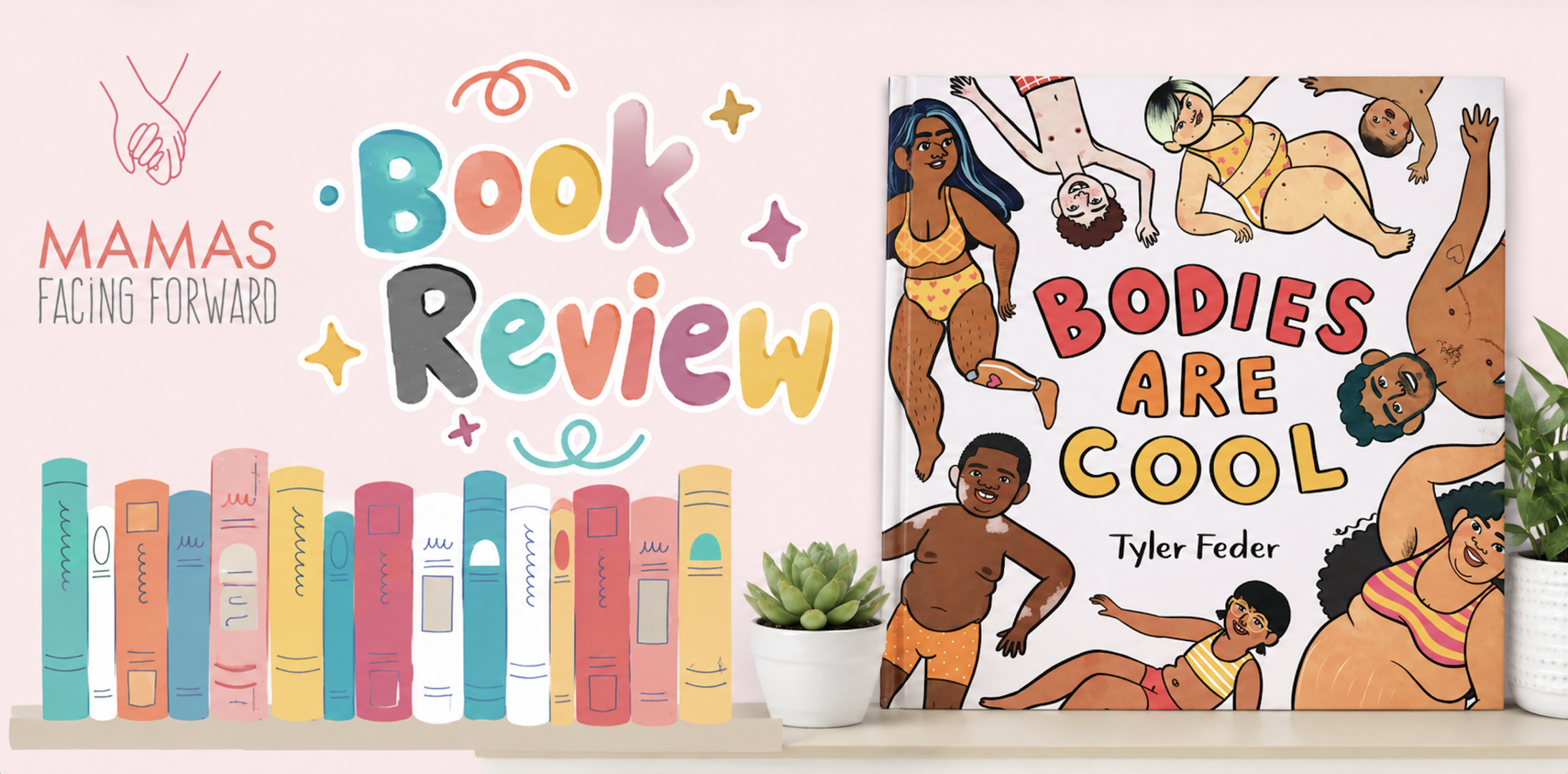
Bodies Are Cool by Tyler Feder is a joyful celebration of the many different ways human bodies can look. With colorful, detailed illustrations and simple, affirming text, the book encourages children to notice differences without treating those differences as something strange or negative. The book’s central message is wonderfully straightforward: bodies come in an enormous variety, and ALL of them are cool.
One of my favorite things about this book is just how much representation is packed into the illustrations. Children can spot people with limb differences, wheelchair users, people with ostomies, people wearing insulin pumps, and people using mobility aids like canes and crutches. There are manual wheelchairs and a power chairs, and an entire spread celebrates the many different types of scars people may have. Disability and chronic illness aren’t singled out as unusual—they’re simply included as part of the natural diversity of human bodies.
The book also represents bodies through many different stages and experiences of life. There’s a pregnant woman as well as a mom breastfeeding her baby, alongside people of different ages, sizes, shapes, skin tones, and appearances. There is so much happening on every page that families can read the book multiple times and discover something new to talk about each time.
For parents living with chronic illness or disability, Bodies Are Cool could be particularly useful for starting conversations with young children. A child might recognize a mobility aid their parent uses, notice a scar that looks like Mom’s, or ask what an ostomy or insulin pump is. Those observations can create natural opportunities to explain why some bodies need medications, devices, surgeries, or extra support—and to reinforce that needing those things doesn’t make a body less valuable.
It can also open the door to conversations about changes children may see in their parent’s body over time. If a parent begins using a cane, needs surgery that leaves a scar, or starts using another medical device, the pictures offer an easy way to show children that lots of people have bodies that need different kinds of help. Rather than making chronic illness or disability the subject of a serious sit-down conversation, families can simply talk together about what they notice on the page.
By the final page, people are proudly wearing shirts that say “I love my body,” bringing the book’s message full circle. Bodies Are Cool gives families a warm, accessible way to celebrate body diversity while also creating space for questions about disability, chronic illness, medical devices, scars, and the many different ways bodies move through the world. It’s a lovely reminder for children—and adults—that there isn’t just one way for a body to be.
📚📚Want to purchase your own copy of “Bodies Are Cool”? 📚📚Please use our Amazon Affiliate Link by clicking here! Mamas Facing Forward may receive commission at no extra cost to you. Those funds will go towards providing more resources for parents and parents-to-be living with chronic illness, so thanks for using our links!
