
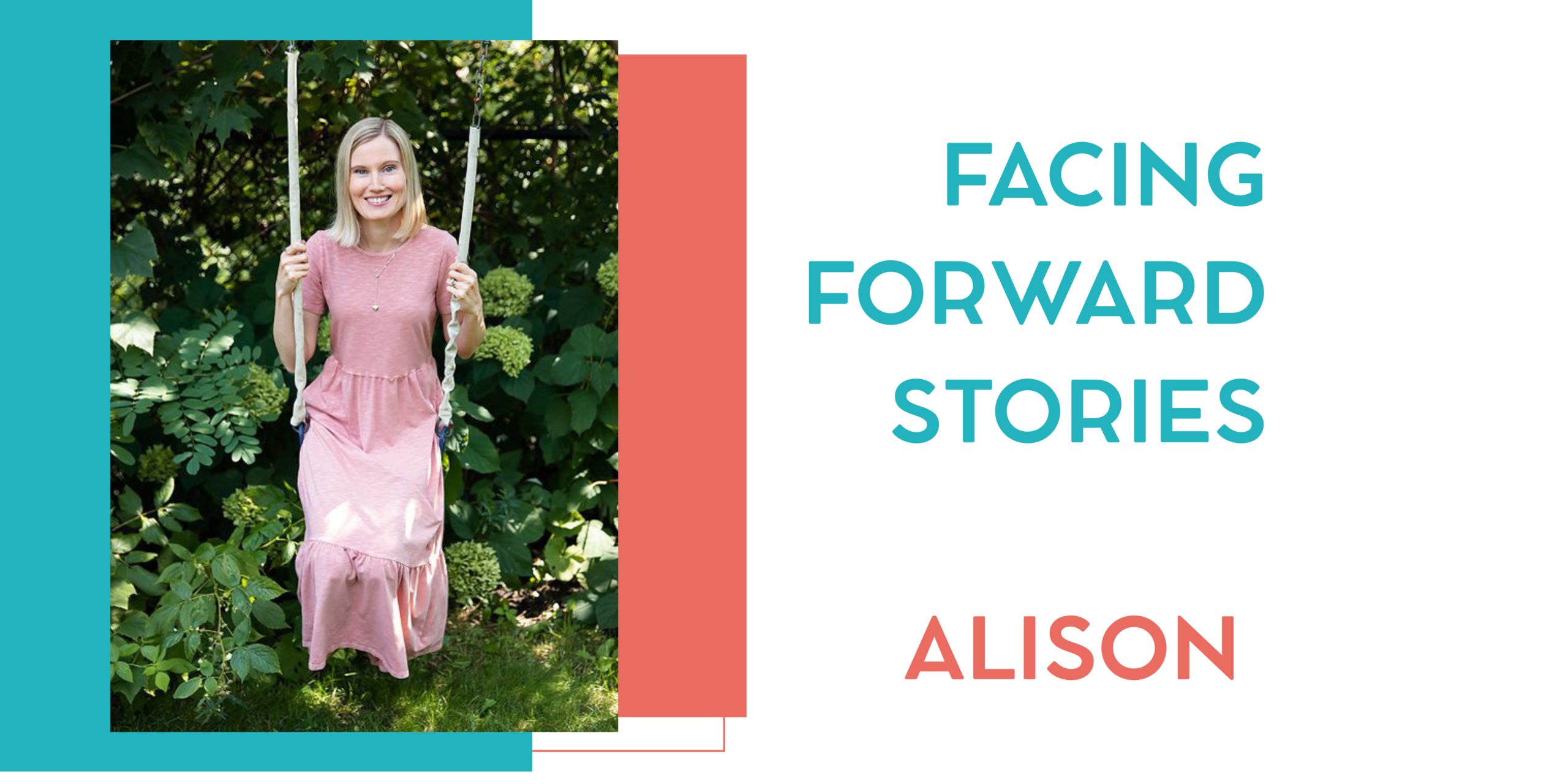
Facing Forward Stories shares real stories from parents and parents-to-be living with chronic illness and disability—highlighting both shared experiences and unique journeys. Through these voices, we offer connection, representation, and encouragement, reminding readers they’re not alone and that there’s no single way to keep facing forward.
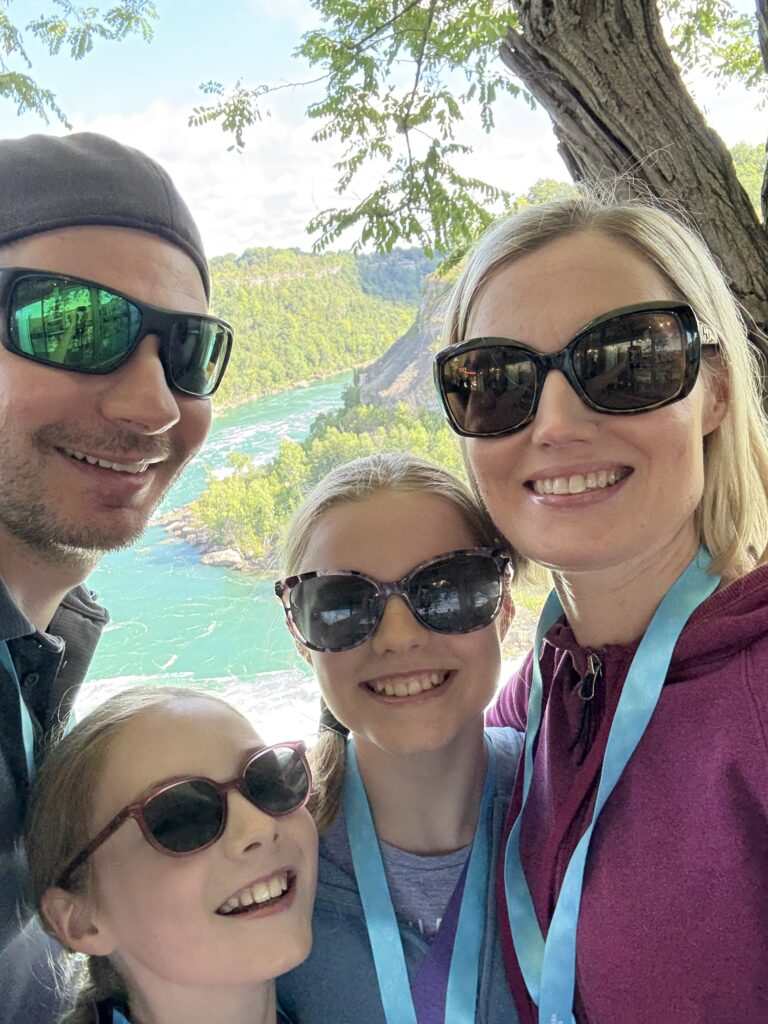
From navigating fertility challenges and pregnancy with chronic illness to adapting family routines around pain and fatigue, Alison’s experience of motherhood has required flexibility and open communication.
She shares how her family has learned to meet each other’s needs, why honest conversations with her daughters have mattered, and how chronic illness has brought not only challenges but also strength, empathy, and resilience.
| NAME: Alison PRONOUNS: she/her LOCATION: Ontario, Canada DIAGNOSES: ulcerative colitis, ankylosing spondylitis, inflammatory arthritis CHILDREN: 2 children; ages 14 and 12 |
What came first for you: chronic illness diagnosis or parenthood?
The diagnosis came first.
What have been the biggest challenges you have faced as a parent or parent-to-be living with chronic illness? How have you adapted to those challenges?
My first challenge was becoming a parent, as I had difficulty conceiving due to inflammation and weight loss associated with ulcerative colitis (one form of inflammatory bowel disease or IBD). Those were difficult years physically and mentally, as I was navigating both a new diagnosis and fertility challenges.
My gut symptoms continued throughout my pregnancies, as did the inflammation in my SI joints, which was later diagnosed as ankylosing spondylitis (AS). When my girls were babies and toddlers, my IBD flared off and on as did my inflammatory arthritis. This sometimes made it difficult to care for my children and to do fun activities together.
I adapted by substituting activities that I could do and foods that I could eat with those that caused too much pain or discomfort. I also explained to my kids in age-appropriate ways when there were certain things that I couldn’t do, like sledding down the hill because of back pain for instance. Now that my daughters are older, it is much easier for them to understand my limitations, and we’ve adapted as a family.
What does a typical day look like for you and your family? Are there specific tips or systems that help your family function day-to-day?
On a typical weekday, we attend work and school. I am an elementary special education teacher, and I work mornings. I typically get home around 1:00pm (unless I have a health-related appointment) and that gives me some time to pursue my passion, writing children’s books. Around 3:00pm, I walk to do the after-school pick-up, and then we head home for snacks, evening activities, dinner, extracurriculars, chores, and exercise (which is always a work in progress!).
There are some systems that I’ve tried to build in to help us function within our days. For example, I consciously chose to work half time after I found it too physically and mentally demanding to teach full-time with chronic illnesses and children. However, this is a financial hardship, and I realize that not everyone can choose this. Allowing myself some time each day to work on a creative passion helps me immensely with my mental health and has also been a wonderful lesson for my girls in the importance of creativity. I do try to walk each day to pick up my younger daughter as this helps to reduce the pain from my ankylosing spondylitis. My husband does most of the driving to extracurricular activities, as going out in the evenings causes me a lot of fatigue. In terms of food, I do all the cooking which allows me to use ingredients that I know are healthy and safe for my body. We have also taught our kids to help with some jobs such as dishes, vacuuming, and laundry which has been extremely helpful for our daily functioning.
Of course, we make mistakes and there are moments and days when these systems don’t run smoothly, but I think it’s important that we’ve figured out how to meet our needs within a typical day.
How do you talk to your children about your illness?
When my girls were toddlers, they knew that I had to use the bathroom a lot and that I sometimes had pain and needed to rest. When they were 4 and 7, I had my worst IBD flare that eventually led to a 10-day hospitalization. When I returned home, we didn’t talk about it much because we thought it would be easier for the girls to forget that way. But then they were anxious every time I went out, always thinking that I’d go back to the hospital, and, after meeting with a family therapist, we learned that repeated conversations about traumatic experiences can help children to better process their emotions, so we started talking about that time, which helped. Learning about the importance of talking with kids about their experiences, thoughts and feelings was a big reason why I wrote my first picture book, Kenzie’s Little Tree, because I hope that reading it will be a way for families to start conversations just as we learned to do.
Now that my kids are older, I talk freely with them about my illnesses. I want them to feel open about discussing any symptoms or concerns that they have about their own bodies.
What kind of support has made the biggest difference for you?
There are different kinds of support that have made a big difference. The first one is the support of my husband and daughters. As I mentioned previously, their contributions to household jobs and chores are extremely helpful and they are also super supportive and empathetic with regards to my pain, fatigue, and other symptoms related to my dynamic disabilities. I also appreciate that they are huge fans and champions of my writing!
Another source of support is helping professionals, including doctors, physiotherapists, counsellors, etc. A strong team is essential!
Finally, I am extremely grateful for the support of friends and members of the chronic illness community. I am lucky to have some life-long friends who are always in my corner. I’ve also met many incredible people online and through local fundraising initiatives with Crohn’s & Colitis Canada. I love connecting with community members and supporting each other!
What is something you wish more people understood about parenting with chronic illness?
Wanting to share more about family life with chronic illness was another reason why I wrote Kenzie’s Little Tree. I wanted to provide a window so that people who don’t live with dynamic disability can see what it’s like for a family like mine. A dynamic disability is something that changes over time with ups and downs, just like the seasons and the natural world, so I used the metaphor of a tree in the book. I want people to know that life with chronic illness isn’t always tough and sad, but just like in everyone’s life, there are ups and downs. So in the book we see Kenzie’s family participating in fun Saturday adventures and we also witness sad times where Mom leaves for the hospital. I also want people to know that often, chronic illnesses are invisible.
If you could go back to the day of your diagnosis, what would you tell yourself?
When I was first diagnosed, I felt like it was the end of life as I knew it. I also felt very alone as I wasn’t close with anyone who lived with Crohn’s disease or ulcerative colitis. If I could go back, I would tell myself to seek out other people in the community for support, information, and caring. I would also tell myself that life with chronic illness is hard AND that it builds a lot of helpful skills. The diagnosis doesn’t mean that your life is over, but it will change and you will gain strength, empathy and resilience. I would also tell myself to listen to my body: take better care of yourself, do things that you’re passionate about, and rest. These are things that I’m still working on today.
What does “facing forward” mean to you?
Facing forward means continuing to grow and learn and do better in all areas of my life. Whether it’s parenting, writing, relationships, self-care, teaching, etc., my journey and work continue each day.
Here’s where you can connect with Alison online!
- Website: alisonmcgauley.com
- Instagram: @alisonmcgauley
- Facebook: @author.alison.mcgauley
| 🌿 Facing Forward Moments: Alison’s Recent Parenting WIN! 🌿 A few years ago, I realized how much television my girls were watching and how this impacted their creativity. So, we made a conscious choice to eliminate TV during the school week. At first, it was difficult and there were lots of complaints! However, soon they got back in their creative groove, and practiced so many skills like sewing, drawing, writing, sculpting, knitting, crocheting, painting etc. While the girls craft, I write, and this time is so precious. This summer, I thought of the idea of participating in a few vendor fairs together. We call ourselves “Mother-Daughter Hand & Heart” and we sell crafts and picture books. Spending creative time together definitely feels like a parenting win! |
💛 Want to share your own story? Send an email to: info @ mamasfacingforward.com
💬 Join our community: Mamas Facing Forward Facebook group
